Can Universities Detect AI Writing?
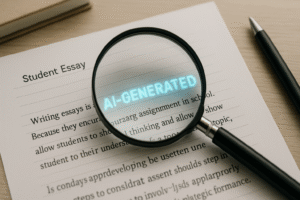
Yes, universities can detect AI-generated content using advanced AI detectors like Turnitin, GPTZero, and Proofademic. These tools analyze sentence structure, token patterns, and linguistic fingerprints to identify non-human writing. While detection isn’t 100% perfect, many universities now use AI detection alongside plagiarism tools to ensure academic integrity in student submissions.
Quick Summary:
- Most universities now use AI detectors in addition to plagiarism checkers.
- Tools like Turnitin, Proofademic and GPTzero help identify AI-generated content.
- Detection accuracy varies by tool and text complexity.
- Students using AI tools should revise content significantly or risk detection.
- Universities emphasize transparency and academic honesty with AI usage.
Can Universities Detect AI-Generated Content?

With AI tools like ChatGPT becoming widespread, many students wonder: Can universities detect if I use AI to write an assignment? The short answer is yes. ChatGPT detectors have improved rapidly, and institutions are now proactively using them to flag AI-generated writing.
This article explores how university detection works, which tools are commonly used, and what students and educators need to know about staying within academic guidelines.
Related: Research, Tests and Study on AI Detection Tools for Students & Teachers
How AI Detection Works in Universities?
Universities rely on sophisticated algorithms that assess whether text likely comes from an AI model. Here’s how most detection systems work:
- Text Pattern Analysis Tools analyze sentence length, word choice, and predictability to find AI signatures.
- Perplexity and Burstiness These metrics indicate how random or uniform a text is. AI-generated text tends to be more consistent than human writing.
- Linguistic Fingerprints Some tools compare the writing to known AI model outputs (like GPT-3 or GPT-4) and evaluate fluency, tone, and semantic variation.
- Metadata & Writing History Some platforms (like LMS-integrated detectors) can track student revision history or changes over time.
What Detection Tools Do Universities Use?
Here are the most commonly used tools in educational settings:
| Tool | Key Features | Best For |
|---|---|---|
| Turnitin AI Detection |
Includes AI detection scores with plagiarism reports. Flags content with high GPT-3.5/4 probability.
Source: Turnitin AI Writing Indicator | Universities, plagiarism + AI detection |
| Proofademic | Academic-focused AI detection with citation validation and linguistic rhythm checks. | Professors, research validation, contextual insight |
| GPTZero | Highlights AI-likely sentences. Fast and simple for classroom use. | Educators (K–12, college), sentence-level review |
| Copyleaks | LMS-integrated AI detector. Scores AI likelihood and explains results clearly. | Schools with LMS systems, detailed explanations |
We broke down the two side by side: Proofademic vs Turnitin.
How Accurate Are AI Detectors in Schools and Universities?
While no detector is perfect, research shows that top-tier detectors correctly flag AI content 80–98% of the time. However, they can struggle with:
- Heavily edited AI content
- Hybrid texts (part-human, part-AI)
- Short passages with few sentences
A 2023 study from the National Library of Medicine showed Turnitin’s AI detection accuracy at 98% for ChatGPT text, with a low false positive rate.
Can You Bypass AI Detection in Academia?
Many students ask if lightly editing AI output or using paraphrasing tools like Walter Writes and QuillBot will make it undetectable. While minor rewrites can sometimes reduce detection scores, most detectors still identify underlying patterns.
Best practices:
- Avoid direct copy-paste from AI.
- Rewrite with your own tone and ideas.
- Cite tools and sources when appropriate.
- Follow your institution’s academic honesty policy.
Example: AI vs. Human Writing Detection
| Text Sample | Detector Result | Confidence |
|---|---|---|
| ChatGPT paragraph (unedited) | Flagged as AI | 99% |
| Human essay paragraph | Marked as human | 95% |
| AI text with moderate edits | Mixed result | 60–80% |
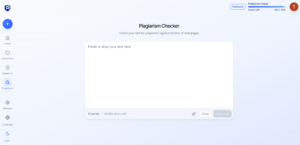
Proofademic’s AI text detector provide sentence-level analysis, showing which parts of the text are likely AI-generated and helping educators make informed judgments.
Pro Tips to Avoid False Positives:
- Use your own voice: Don’t over-rely on tools that “rewrite” AI into fluff.
- Check your work in a reputable AI detector before submission.
- Be honest: If you use AI as an assistant, cite it.
- Review sentence-level scores in tools like Proofademic for transparency.
FAQs About AI Detection in Universities
Can professors detect ChatGPT use?
Yes. Many professors now use AI detection tools like Proofademic or Turnitin to evaluate whether submissions were AI-generated.
What happens if you’re caught using AI in college?
Consequences vary by school. Some issue warnings; others impose academic penalties or suspensions. Always check your institution’s policy.
Can I edit ChatGPT text to avoid detection?
Slight edits may lower AI scores but don’t guarantee safety. Detectors assess deeper language patterns, not just surface edits.
Do all use AI detection software?
Not all, but adoption is growing fast. Top institutions and online platforms are increasingly integrating AI writing checks.
Can Walter AI and QuillBot or paraphrasing tools fool AI detectors?
Partially. Paraphrasing tools may bypass basic detectors, but many advanced tools still flag AI-style syntax and structure.
Can universities detect if an essay was written by AI?
Yes. Many universities now use advanced detection tools like Turnitin and Proofademic to flag AI-written essays. These systems analyze sentence patterns, tone consistency, and writing rhythm to identify machine-generated content. While no tool is perfect, detection rates for unedited AI essays are typically very high.
Academic Honesty Comes First
Yes, universities can and do detect AI writing. As AI use becomes more common, so does the ability to spot it. Students should focus on learning and writing honestly, using AI tools responsibly, not as a shortcut, but as a supplement to their own thinking.
If you’re an educator, academic integrity office, or student, Proofademic offers a research-backed, classroom-ready solution for detecting and understanding AI-authored content with context, not just red flags.